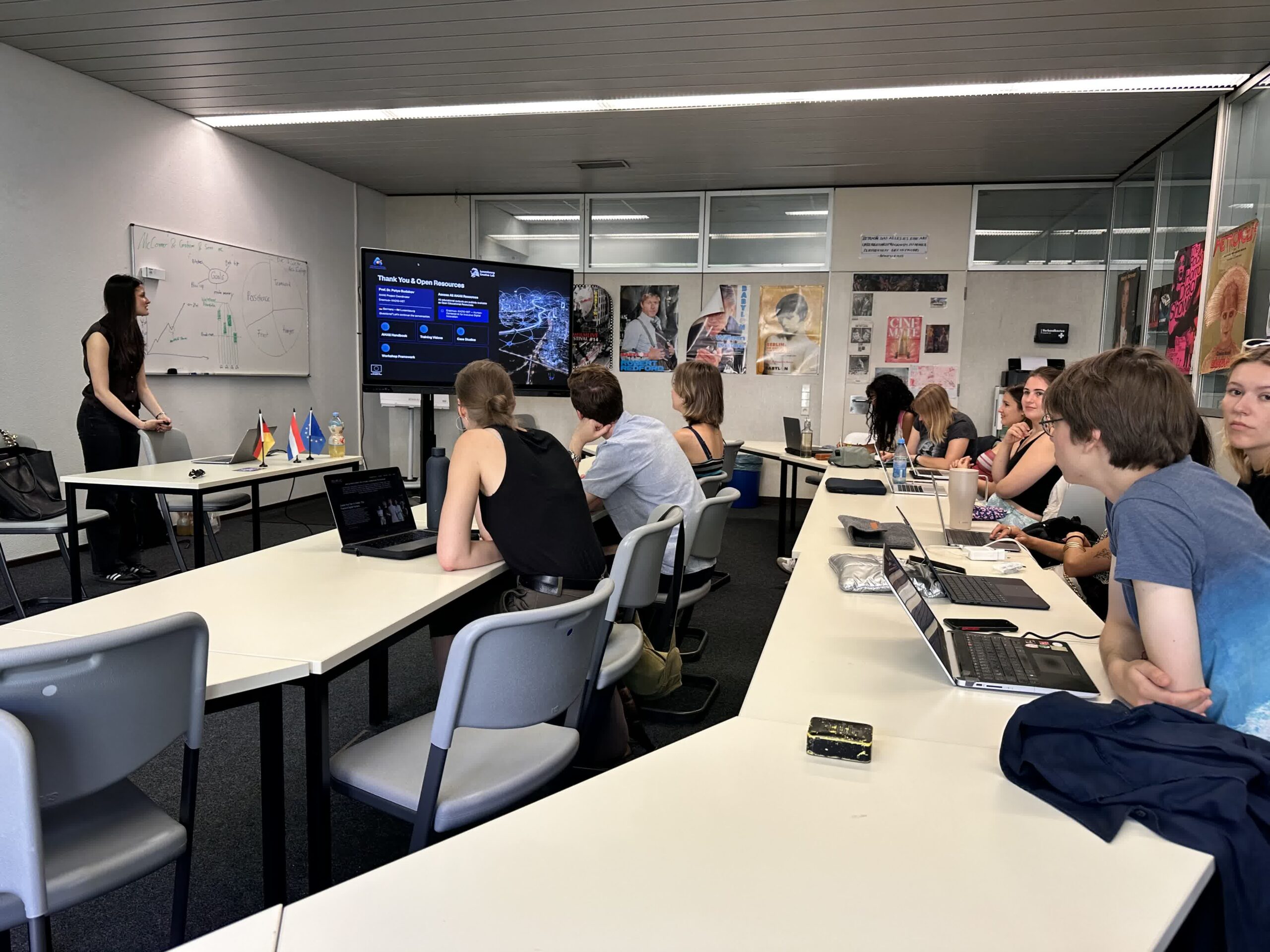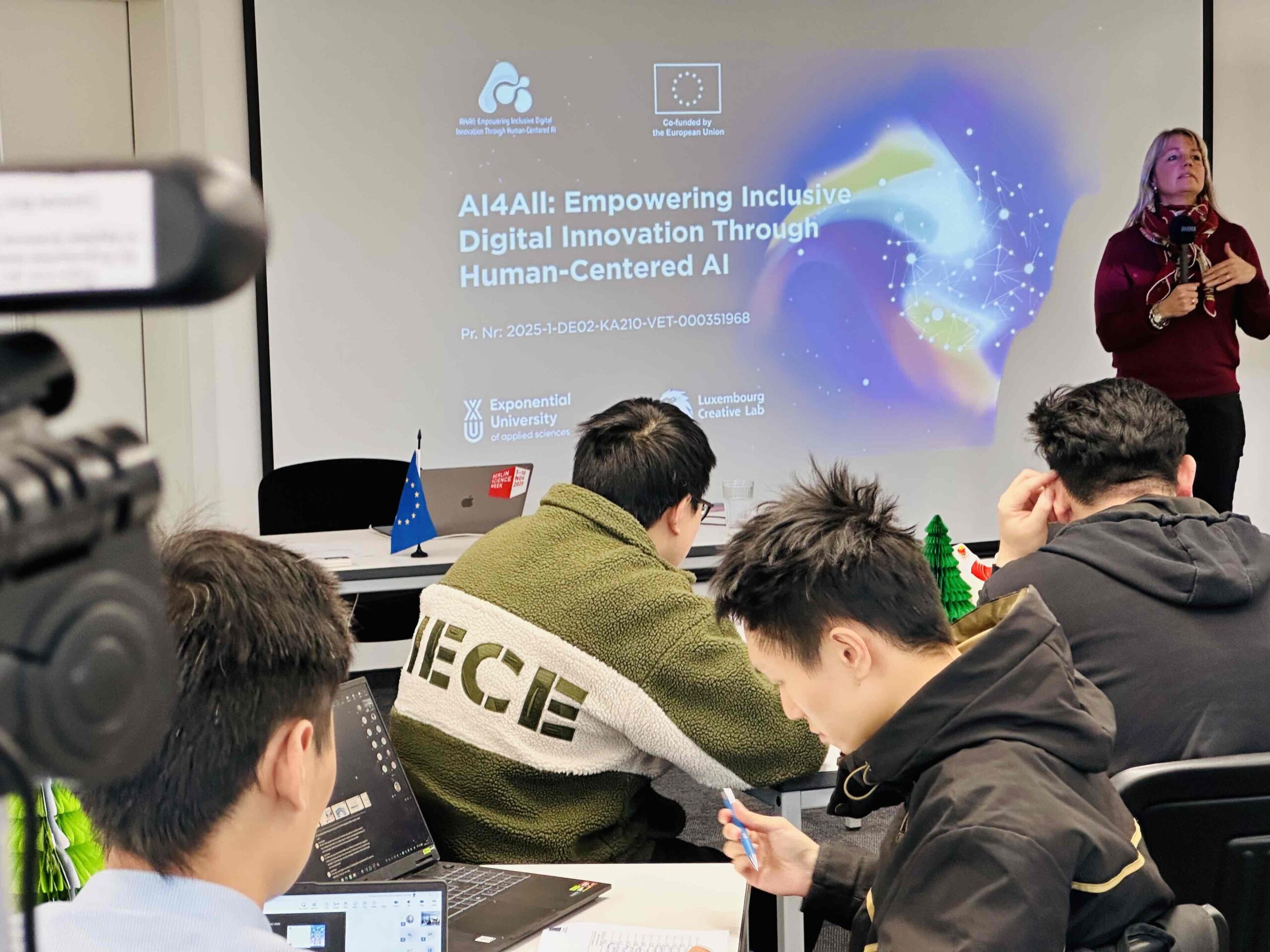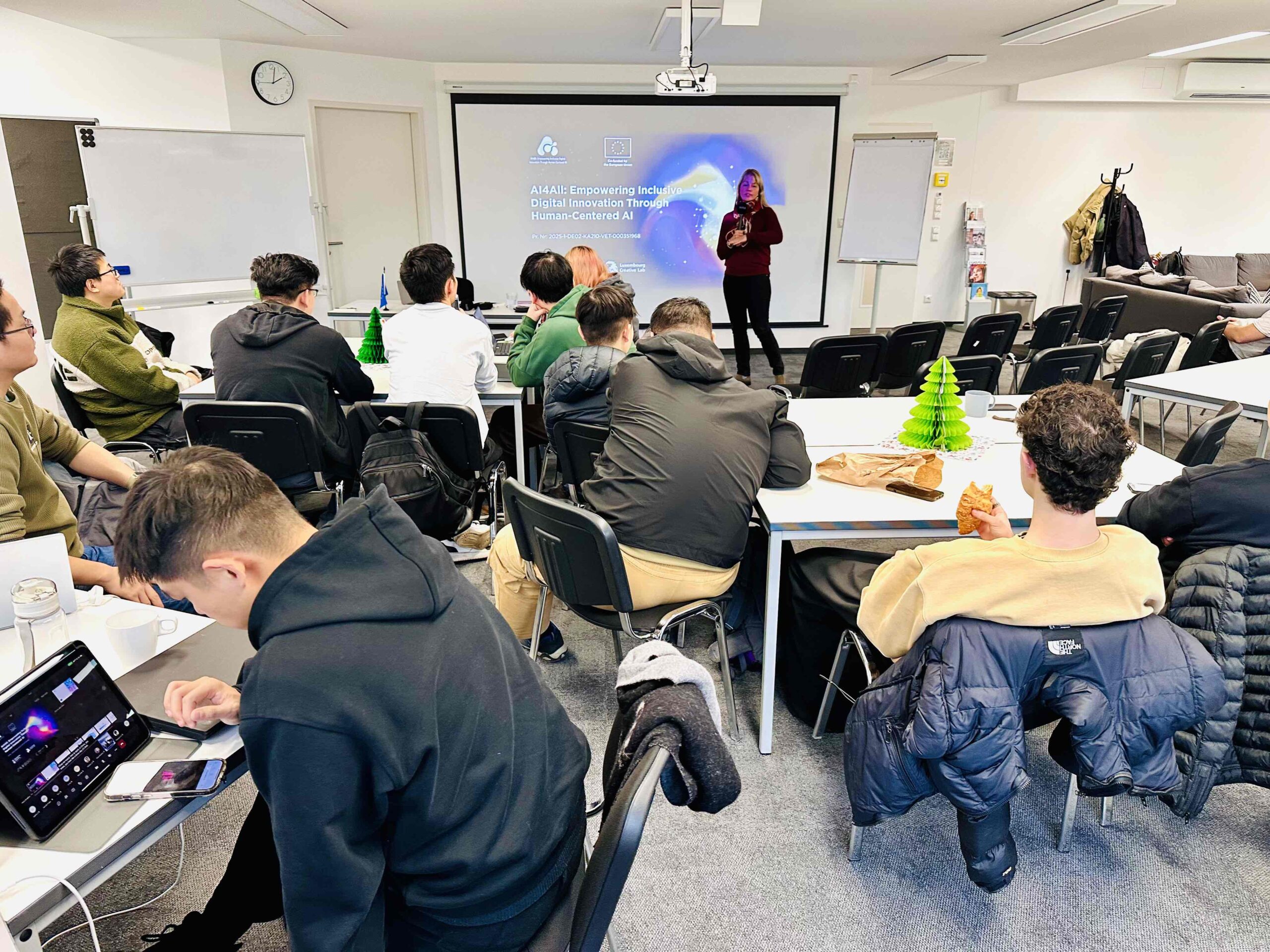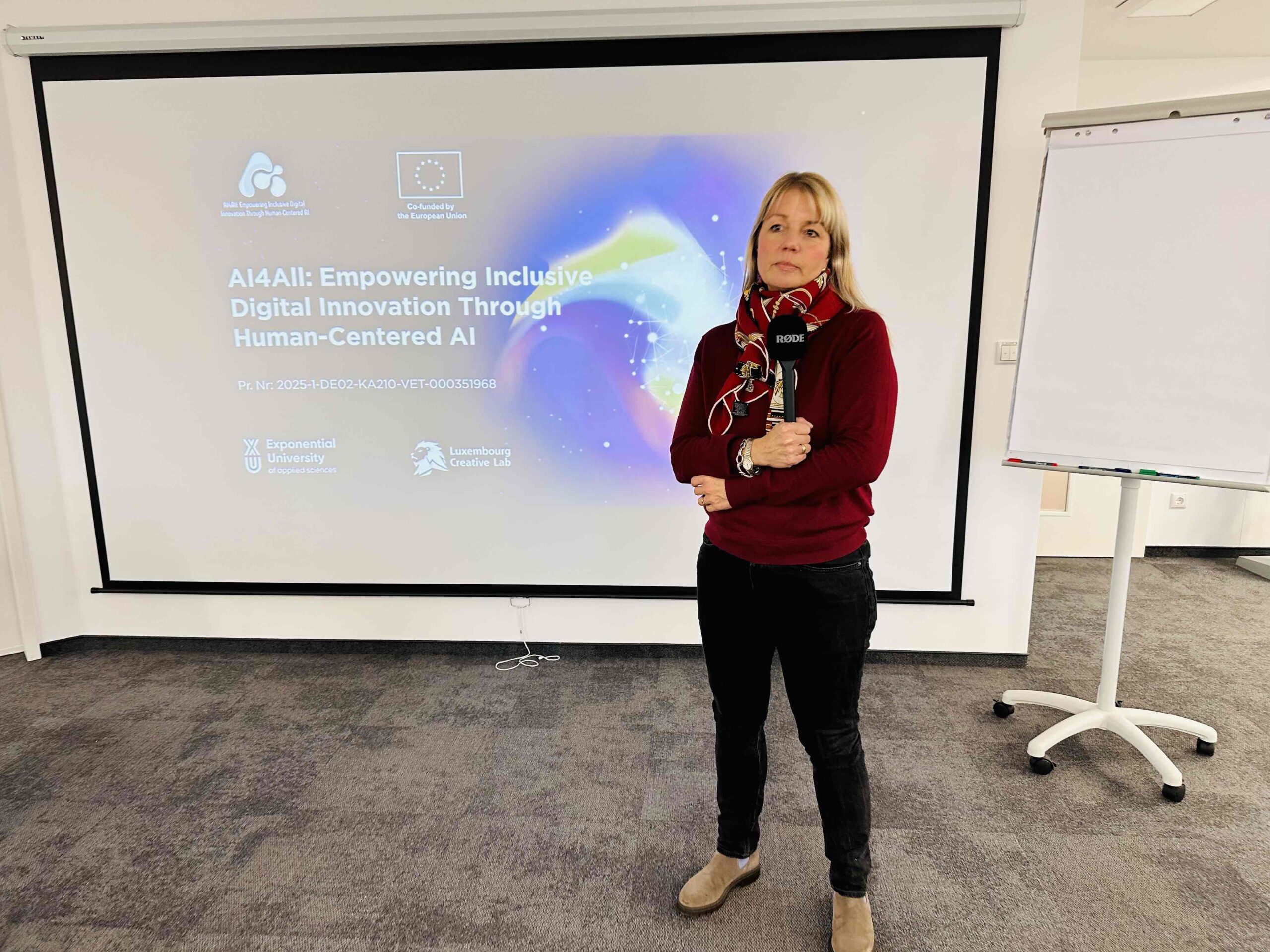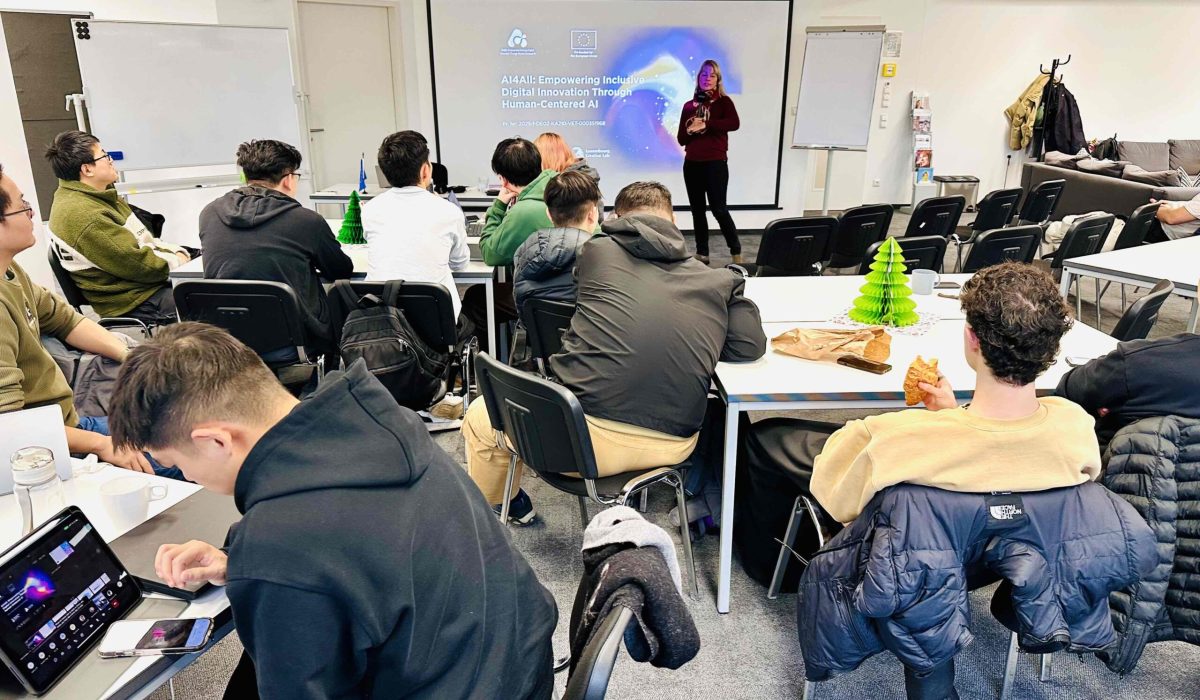
The first AI4All workshop, titled “Exploring and Testing the Five AI4All Competencies,” took place on 26 November at XU Exponential University. As part of the Erasmus+ co-funded project AI4All, the workshop marked a significant milestone in the project’s early implementation phase, bringing together academic staff, administrative professionals, and external collaborators to engage with the project’s key outputs.
Purpose and Focus of the Workshop
The session was designed to introduce participants to the project’s conceptual framework, particularly the five AI4All competencies that guide the development of inclusive, ethical, and human-centered AI training for higher education and vocational education and training (VET). The workshop also aimed to test how these competencies translate into practical teaching and organisational settings.
Prof. Dr. Petyo Budakov, Vice-President Teaching at XU Exponential University and project lead, moderated the workshop. He presented the project’s main goals, its planned milestones, and the progress achieved so far. This included a preview of tangible project results developed under Activity 1:
The initial e-chapters of the AI4All Handbook
A set of short-burst use case training videos supporting educators, trainers, and staff in implementing responsible AI practices
These resources provided participants with a first-hand look at the practical tools AI4All will offer to education organisations across Europe.
Interactive Group Work: Applying the Competencies
A central component of the workshop was a collaborative group activity. Participants were divided into small groups and challenged to apply the AI4All competencies to a hypothetical institutional scenario. The task required them to reflect on responsible AI use, inclusivity, accessibility, and alignment with regulatory and ethical requirements.
The quality of the group work outcomes highlighted both the relevance and the applicability of the project’s competence model. Participants demonstrated strong analytical thinking and presented concrete ideas for integrating AI tools into teaching, communication, and administrative processes while ensuring compliance with institutional and European standards.
Insights on AI and Inclusive Hiring
The workshop also featured an important contribution from Mrs. Spes von Hagen, Head of HR at XU Exponential University. Her session focused on the role of AI in inclusive recruitment practices and the organisational responsibility to ensure strict adherence to GDPR requirements.
She demonstrated how AI tools can support accessible hiring processes, strengthen fairness, and reduce human bias—when implemented carefully and transparently.
Contribution from Luxembourg Creative Lab
As part of the cross-border collaboration central to AI4All, the workshop concluded with an online session from the consortium partner Luxembourg Creative Lab.
Mrs. Kristina Chavdarova presented the organisation’s contribution to Activity 1, explaining how their creative and digital expertise supported the development of the project’s training videos and visual materials. She offered valuable reflections on the importance of co-design in developing inclusive educational resources.
Feedback and Next Steps
At the close of the workshop, participants were invited to provide structured feedback on the Handbook drafts and training videos. Their perspectives will guide improvements to ensure that all outputs are accessible, user-friendly, and aligned with the real needs of educators and institutions.
Workshop 1 demonstrated strong engagement from the XU community and reaffirmed the importance of developing inclusive and ethical AI training frameworks. The insights gathered will play a central role in shaping the next stages of the AI4All project.
Funded by the European Union. Views and opinions expressed are however those of the author(s) only and do not necessarily reflect those of the European Union or the European Education and Culture Executive Agency (EACEA). Neither the European Union nor EACEA can be held responsible for them.
Project No: 2025-1-DE02-KA210-VET-000351968